


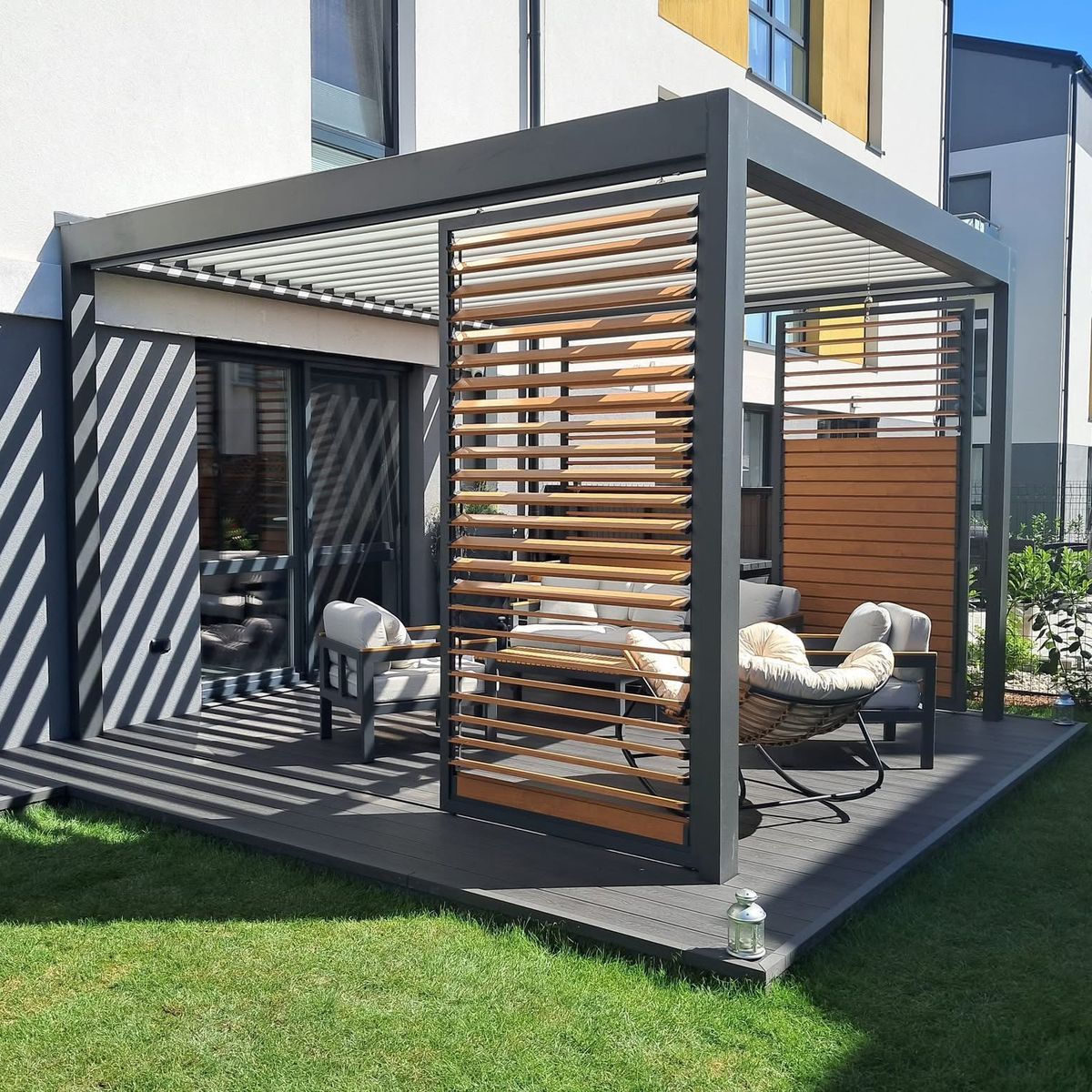
The first rays of the spring sun bring the same thought to every homeowner: if only I could enjoy my morning coffee in my own private garden. A properly built terrace is not just a few square metres of wooden boarding; it is the heart of the home in the summer half of the year, the link between the indoors and nature, and the place where the best memories are made with family and friends. Whether your dream is a small, cosy corner for reading a book or a large entertainment area with an outdoor kitchen, the right planning is the foundation of a successful project.
In this thorough guide, we spell out terrace-building and design for you in detail. We speak honestly and openly about different materials — from traditional wood to modern composite. We learn how to lay a stable foundation that will survive even the toughest Estonian winters. We also dive into the tricks of screening and creating privacy on the terrace, integrating smart solutions. Read on and learn how to plan, build and maintain a terrace so that it serves you trouble-free for decades!
Why a proper terrace is the heart of your garden
Many homeowners underestimate the potential of their outdoor space. An investment in a quality leisure area, however, pays off many times over, offering value that extends far beyond mere aesthetics.
A boost to quality of life and property value
A terrace is probably the most affordable way to increase the usable living area of your home. An extension to the average living room costs thousands of euros per square metre, but a quality covered terrace or even a simple open wooden platform adds dozens of square metres of functional space to the house at a fraction of the price. Property experts confirm that a well-built and well-maintained outdoor area significantly increases the market value of the property, often being an emotional deciding factor for buyers. A well-thought-out terrace ties the architecture of the house to the landscape of the garden, creating a harmonious whole.
Your personal summer living room
In addition to financial value, a wooden terrace brings an invaluable boost to quality of life. It is your summer dining room, a playground for the children, a home office and a party place. It provides the opportunity to enjoy fresh air without worrying about wet grass or muddy shoes.
A unique perspective: Many people build a terrace thinking it is only a summer area. In reality, if you combine the right screening with infrared heaters, you can extend the terrace season in Estonia from early spring to late autumn. That is a whole six to eight months of extra space! All that matters is to protect the space from cool wind and rain, which makes terrace railings and smart walls indispensable.
Planning the terrace: location, size and foundation
Rushing to buy materials without proper groundwork is the fastest way to build defects. The planning phase is the most critical part of the whole project.
Compass points and choice of location
A successful terrace build begins with getting to know the compass points. A south-facing terrace gets maximum sun, but on a summer midday the heat there can become unbearable. A west-facing location is ideal for those who love to enjoy the evening sun and sunsets after a long day's work.
Sun vs. shade – what to consider?
If your garden has no natural shade (for example, large trees), you need to plan the movement of the sun particularly carefully. Excessive heat ruins relaxation. Consider integrating awnings, pergolas or a more permanent roof structure. Also leave enough room on the terrace (typically at least 4×4 metres is recommended, to fit a standard six-seater dining table and leave room to move around).
A strong terrace foundation is the basis of longevity
The terrace foundation is the place where homeowners most often try to save money, making a fatal mistake. In Estonia, where the ground freezes and thaws repeatedly, frost heave simply lifts a wrongly built foundation, making the whole terrace lopsided.
- Screw piles: The favourite of the modern age! These are screwed straight into the ground (below the frost line, i.e. at least 1.2 metres deep). It is fast, does not require digging or waiting for concrete to cure, and keeps the garden clean.
- Post foundation (Fibo blocks or concrete): Classic, but more labour-intensive. Holes have to be dug, a crushed-stone bed added, and concrete poured or blocks laid.
- Adjustable terrace feet: Ideal when the terrace is built on an existing concrete slab or a hard surface (such as a flat roof).
A unique tip: If you use a wooden frame, always install a piece of bitumen felt or a special moisture barrier between the foundation posts and the wood. Wood must never be in direct contact with concrete or metal, as it absorbs condensation and starts to rot!
Which terrace material to choose? Wood vs. composite
If the foundation carries the weight, the decking boards are what you see every day and touch with bare feet. The right choice of material depends on your budget and your willingness to maintain the surface.
Classic wooden terrace: Pros and cons
Natural wood offers warmth and authenticity that is hard to imitate.
- Impregnated pine (green or brown): The most common and most affordable choice in Estonia. It needs regular maintenance (washing and oiling); otherwise it quickly turns grey and starts forming surface cracks.
- Siberian larch: A very dense, resin-rich wood that withstands the weather well even without oiling. Over time it takes on a beautiful silver-grey. The downside is a greater risk of surface splinters, which means walking barefoot may require some caution.
- Thermowood (pine or ash): Wood treated with high heat and steam. This removes nutrients from the wood, making it rot- and fungus-free and extremely stable (it does not "move" as much as ordinary wood).
Maintenance-free WPC decking
WPC decking (Wood-Plastic Composite) has been a rising trend in recent years. It is made from a mixture of wood flour and plastic.
- Pros: This material is completely maintenance-free — you never have to oil or paint it. It does not splinter, is moisture-resistant, and many models have an anti-slip surface treatment. A true "install and forget" solution!
- Cons: The initial investment is more expensive than ordinary wood. Bear in mind, too, that a dark-coloured composite board becomes very hot underfoot in direct summer sun. When installing composite, the joist spacing is more critical (usually max. 40 cm) to prevent the boards sagging in the summer heat.
Terrace screening and privacy: Create a windless oasis
However beautiful your a wooden terraceis, if cold wind is constantly blowing or the neighbours are looking straight at your plate, you will not want to spend time there. Privacy on the terrace is the key to cosiness.
How to solve wind and sun protection?
Closed wooden walls or glazing are common options, but they often make the space too closed off or, in summer, get as hot as a greenhouse due to the glass effect. This is where smart, movable terrace screening systems come in.
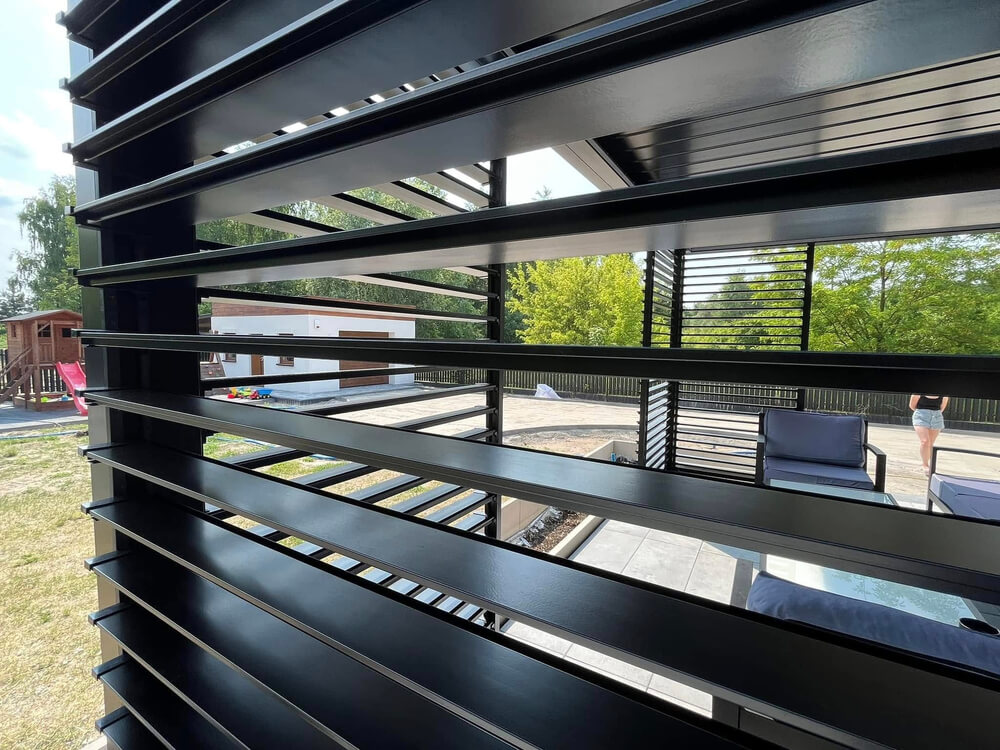
The masterclass in flexibility is an adjustable Louvered screen. It is a system that looks like an elegant outdoor Venetian blind, but is strong and weatherproof. If you want openness and fresh air, you turn the slats horizontal. If the wind picks up or the sun starts getting in your eyes, you close the wall with a single movement.
Smart solutions with louvered screens
How do you create such a solution for your terrace? The heart of this system is Louvered-screen brackets. These are special mechanisms that are fixed to the terrace's support posts and allow the panels to pivot. It is an excellent DIY (DIY) project for any homeowner!
You can choose boards for the brackets that fit your style exactly. Using natural wooden boards, however, means you have to account for the wood moving. For a long-term, truly maintenance-free solution, it is worth choosing special aluminium slat profiles. Unlike wood, aluminium does not warp with moisture or jam in the brackets, ensuring smooth, luxurious movement for decades. You can, for example, create a windbreak on the east side and a sun shade on the west side, keeping control of your outdoor space.
-
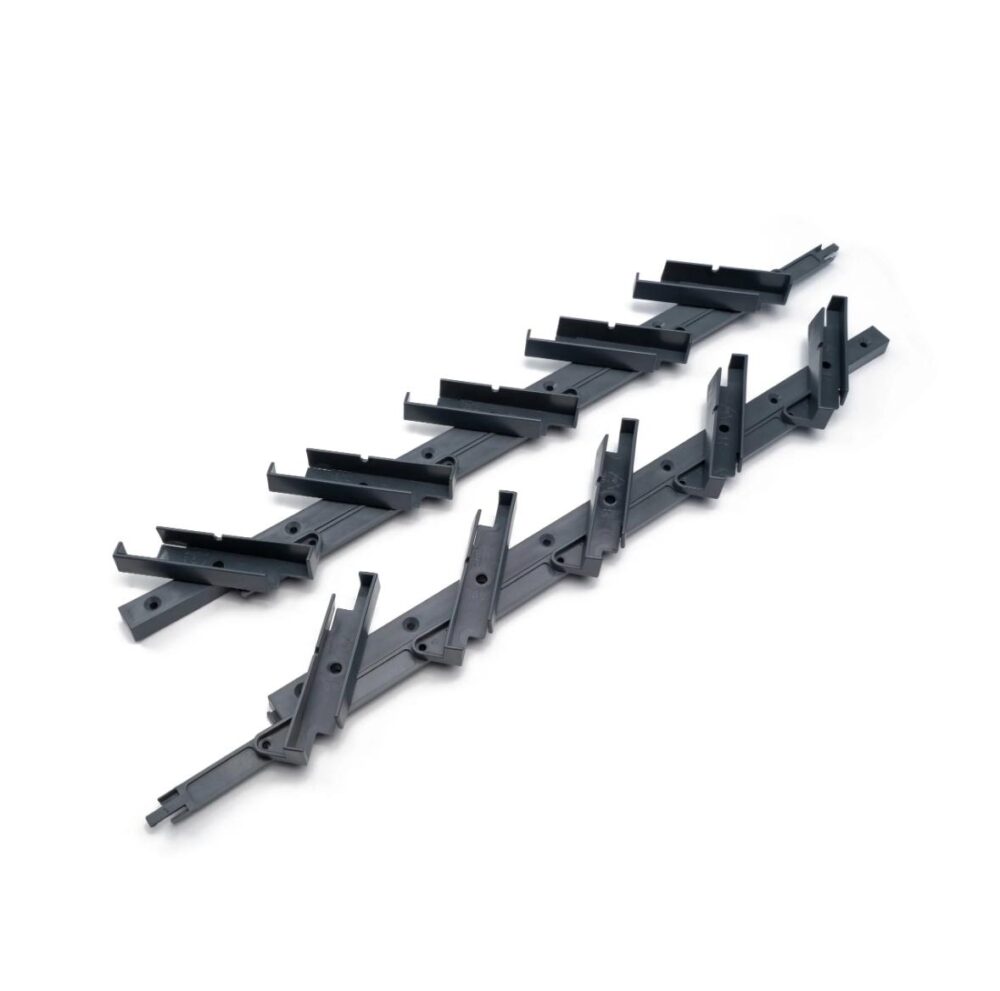
Privaed Flow Core louvered-screen brackets, 500 mm, RAL 7016 anthracite grey composite
28,99 € -
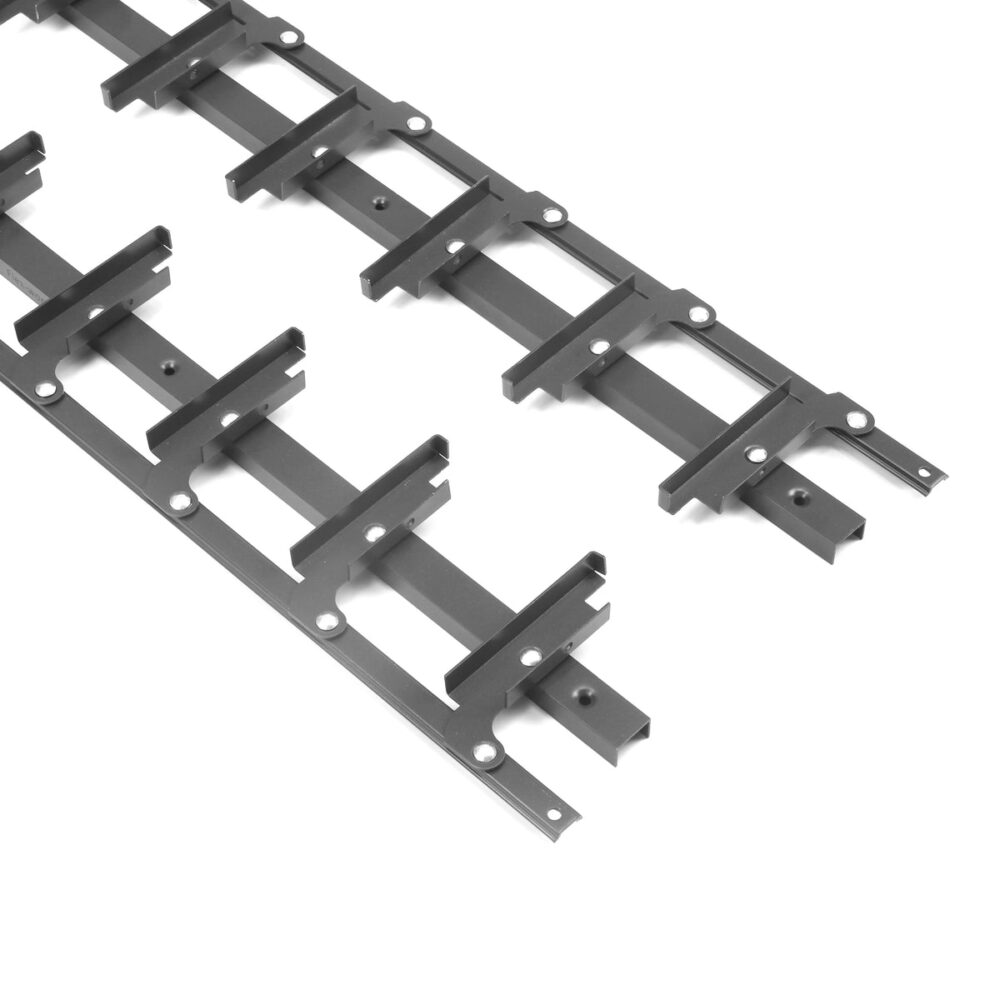
Privaed FLOW louvered-screen brackets, 1070 mm, RAL 7016 anthracite grey aluminium
74,00 € -
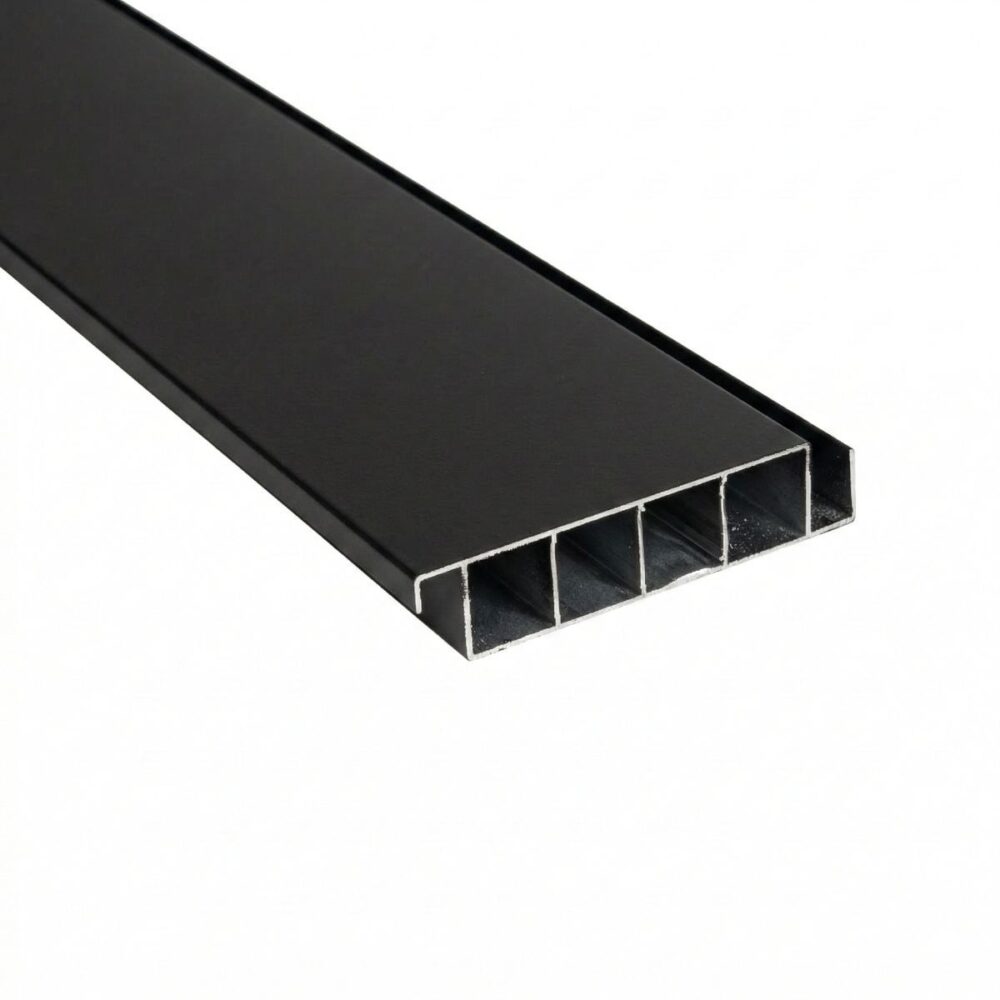
FLOW louvered-screen slat profile, 2400 mm, black aluminium
42,90 € -
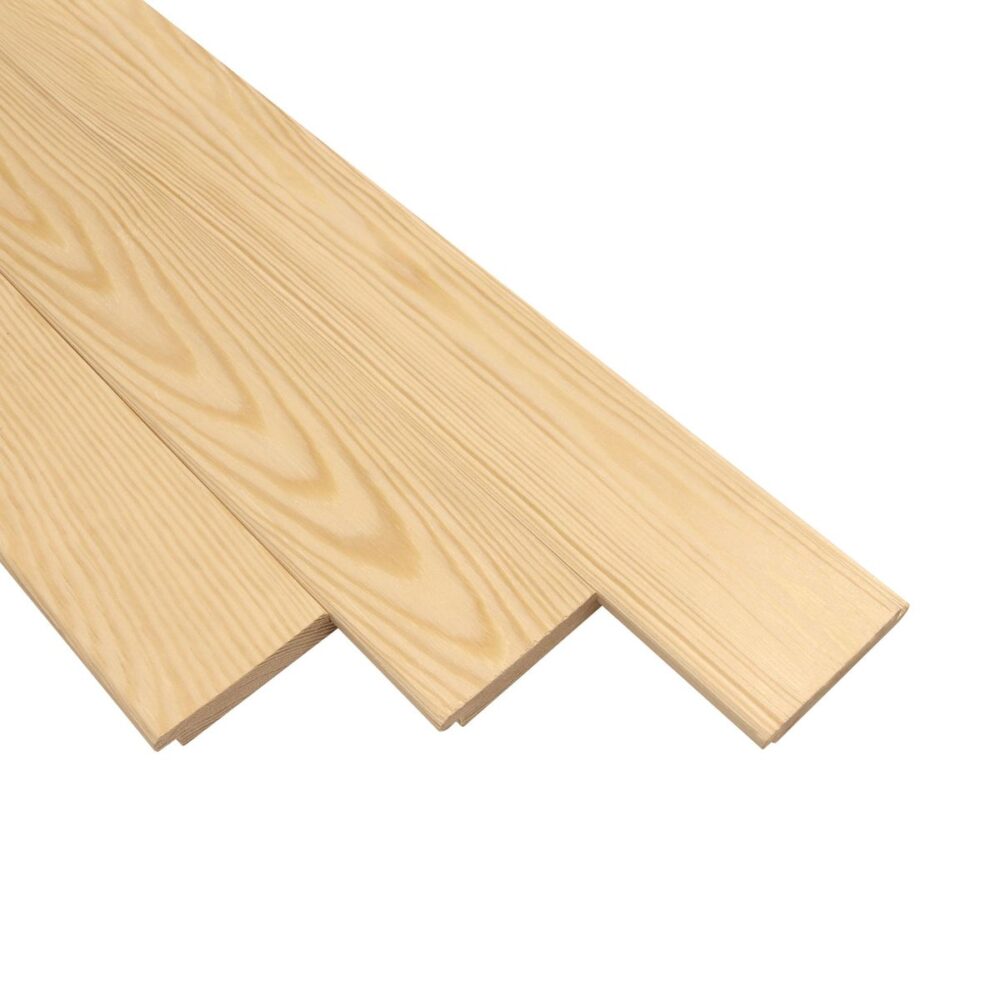
FLOW louvered-screen slat profile, UYS 20×95×1200 mm, natural AB knot-free pine
5,75 € -
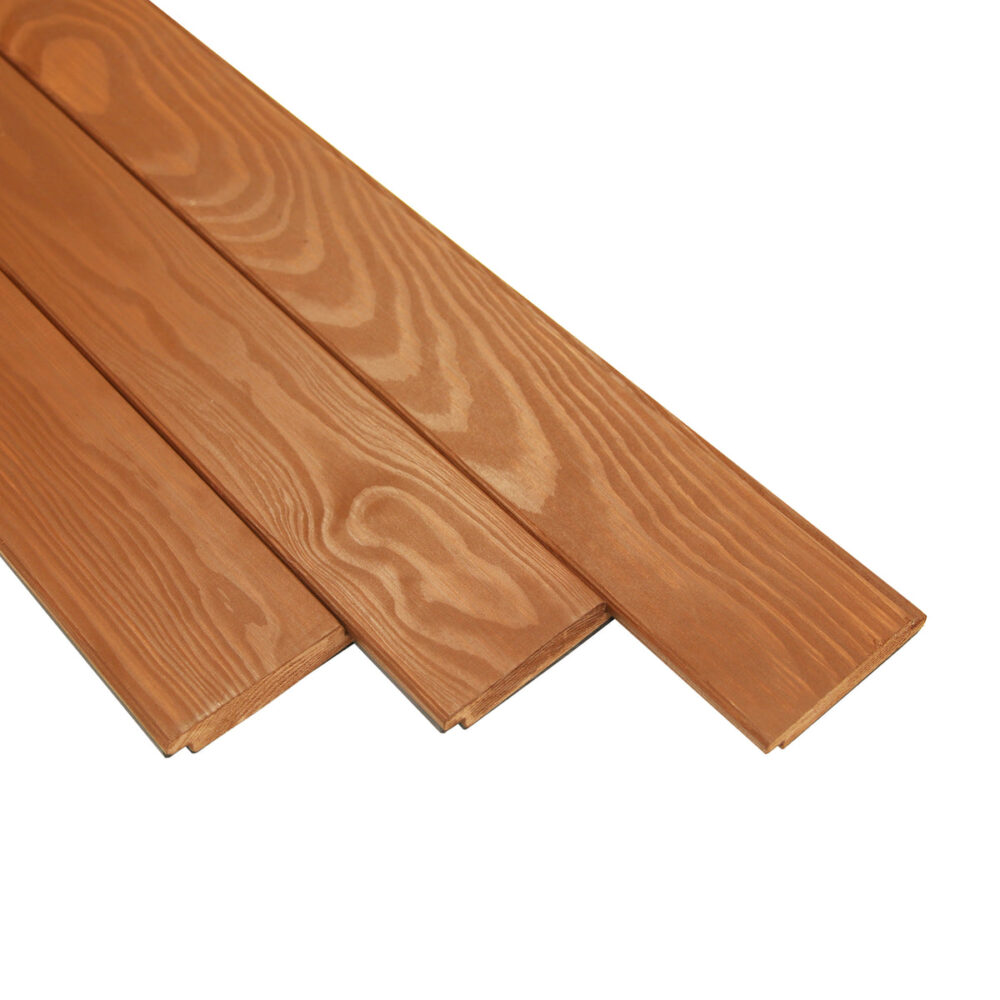
FLOW louvered-screen slat profile, UYS 20×95×1400 mm, thermo-treated pine
8,41 €
Building a terrace: step by step for DIYers
Are you planning to build your terrace yourself? The right techniques for building the terrace determine the life of the result. Bear in mind that the cost of building a terrace is largely made up of the frame material and fixings.
Building the frame and spacing of joists
The frame is the backbone of the whole system. It must be built from thick, deeply impregnated material (for example 50×150 mm timbers). The biggest mistake DIYers make is too large a joist spacing (the distance between the timbers). For wooden decking boards the spacing must not exceed 500–600 mm (centre to centre). If, however, you decide to use WPC decking, the spacing must be considerably tighter, typically 400 mm or even 300 mm, depending on the manufacturer's requirements. Composite does not have the same structural rigidity as wood, and with too wide a spacing it will start to sag in the summer heat.
Fixing the decking boards correctly
Forget the usual "yellow" galvanised screws! On a terrace you must use exclusively special stainless-steel (A2, or A4 in saltier/harsher conditions) decking screws. Ordinary screws break under the force of wood-moisture expansion within a couple of years and start damaging the wood with ugly rust stains.
- Leave an expansion gap: Wooden boards need air and room to move. Always leave a 5–7 mm gap between boards.
- Hidden fixings: A modern terrace favours hidden fixings. Using special clips, boards are screwed to the frame from the side of the board. This way, no screw heads are left on the board surface where water or splinters could accumulate, ensuring maximum barefoot comfort. Composite boards come with hidden fixing clips as standard.
How to look after your new leisure area properly?
In order for your terrace to still look like new in 10 years, regular terrace maintenanceis required. Wood is a living material and demands love.
Terrace oiling and spring cleaning
- Washing: In spring, the first step is a thorough wash of the terrace. Use a special terrace-cleaning product and a strong brush. Use a pressure washer very carefully and with a wide fan, because too strong a pressure breaks the wood surface and raises the grain.
- Drying: After washing, the wood must be completely dry before oiling (moisture content below 20%). This can take several days of good weather.
- Oiling: Impregnating the terrace or oiling it protects the wood against UV radiation and moisture. Use a pigmented oil to preserve the wood tone, because a clear oil does not offer enough UV protection.
A unique tip: Never carry out terrace oiling in direct, scorching sun! Hot boarding evaporates the solvents in the oil before the oil can seep into the wood's pores. The result is a sticky, patchy surface. The best time for oiling is a cloudy, warm day or late afternoon. For WPC boards, a spring wash with soapy water is enough.
Quick summaries
- The foundation is everything: To avoid frost heave, prefer deep screw piles or a proper concrete foundation.
- Choose the material to match your lifestyle: If you love naturalness, choose thermowood or larch; if you want to avoid annual oiling, choose WPC decking.
- Joist spacing: Max 500–600 mm for wood, max 300–400 mm for composite. This prevents boards from sagging.
- Adjustable screening: Create a windless, private space by integrating a movable Louvered screen with durable aluminium slat profiles.
- The right fixings: Always use stainless-steel screws and consider hidden fixing systems for comfort and safety.
Frequently asked questions (FAQ)
Do I need a building permit to build a terrace?
In Estonia, the general rule is that building a terrace of up to 20 m² and less than 1 metre high (from ground level) with no railing mostly does not require a building notice or permit from the local authority. Nevertheless, if the covered terrace is attached to the house or located too close to the plot boundary (less than 4 metres), you should always coordinate your plans with your local municipal or city authority.
How much does it cost to build a terrace per square metre?
The cost of building a terrace depends largely on the materials chosen. For a DIYer, a simple terrace with an impregnated-wood frame and lightweight-block foundation costs roughly 40–70 euros/m² in materials. If, however, you choose maintenance-free composite and screw piles and hire a professional to do the work, the price can reach 120–200 euros per square metre.
How do I prevent weeds from growing under the terrace boards?
Before building the frame, remove the fertile topsoil layer from under the terrace. Cover the ground with a special thick geotextile (weed-barrier fabric) and spread a layer of crushed stone or sand on top. This prevents light from reaching the soil and keeps the area under the terrace clean and ventilated.
How do I build terrace railings that give privacy but do not make the space dark?
The best solution for this is an adjustable-opening terrace screening. Using pivoting slat profilesbetween wooden posts, you can change the angle of the wall as needed. This lets sunlight and wind through but blocks the direct view from outside, being much more practical than a rigid terrace railing.
Why are my new decking boards creaking and "moving" in summer?
This is a normal phenomenon with wood, especially with freshly installed impregnated wood. The wood dries in the sun and, as it shrinks, internal stresses arise which are released in the form of creaking. To minimise this, install boards with the correct expansion gap (5–7 mm) and carry out regular terrace oiling, which helps preserve the moisture balance of the wood.