


-
-
-
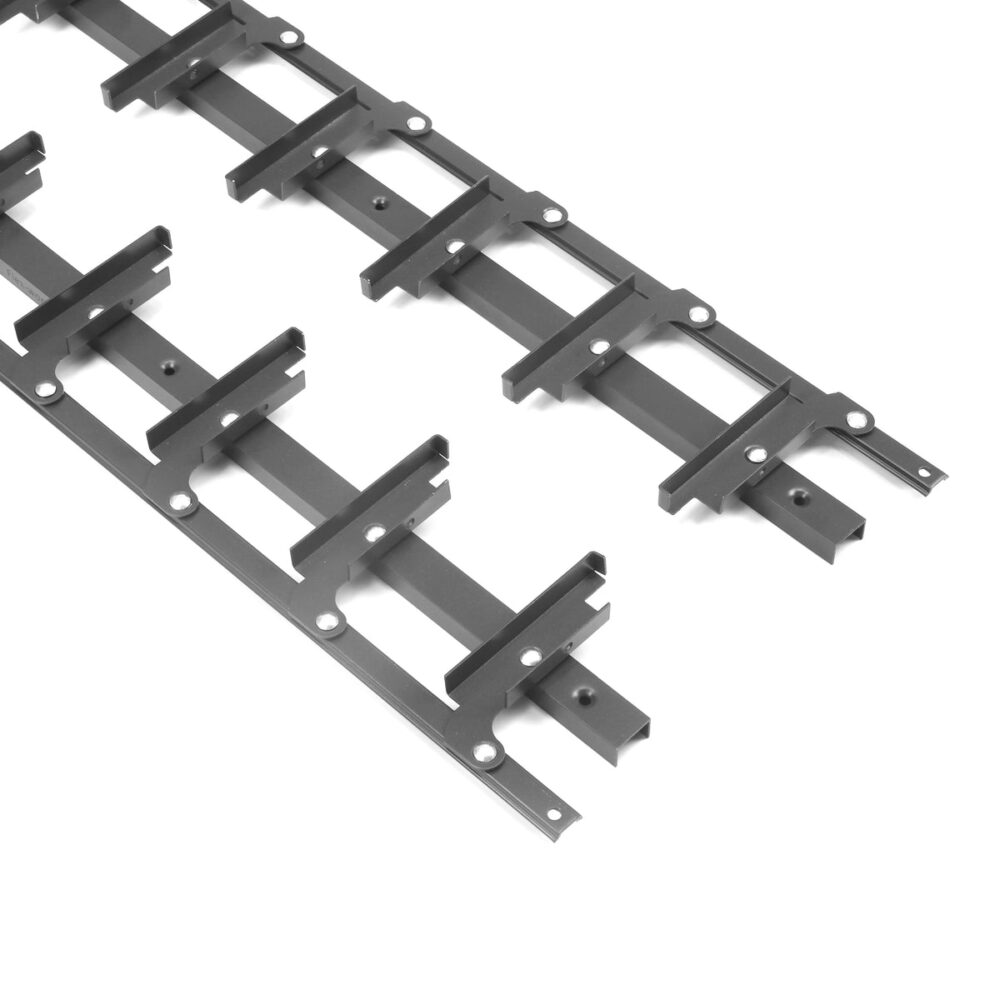 Louvered screen
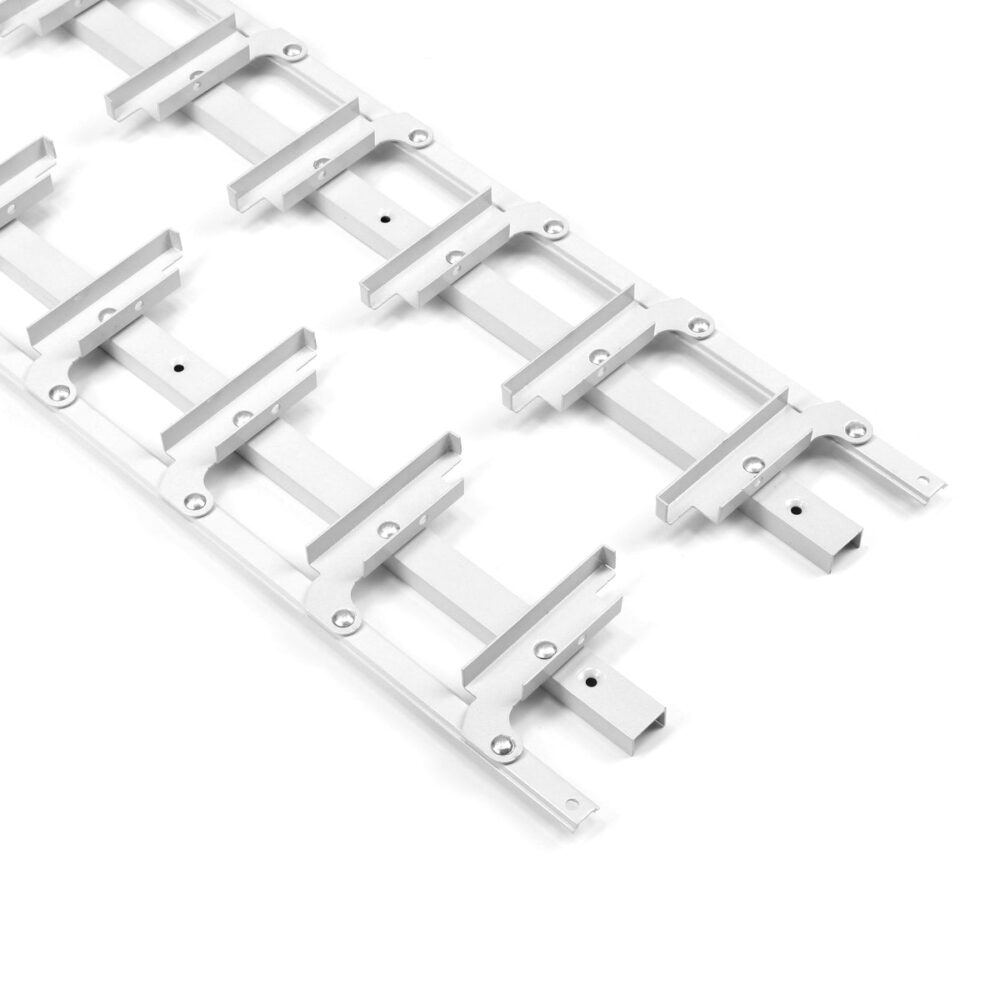
Privaed FLOW louvered-screen brackets, 1070 mm, RAL 7016 anthracite grey aluminium
74,00 € -
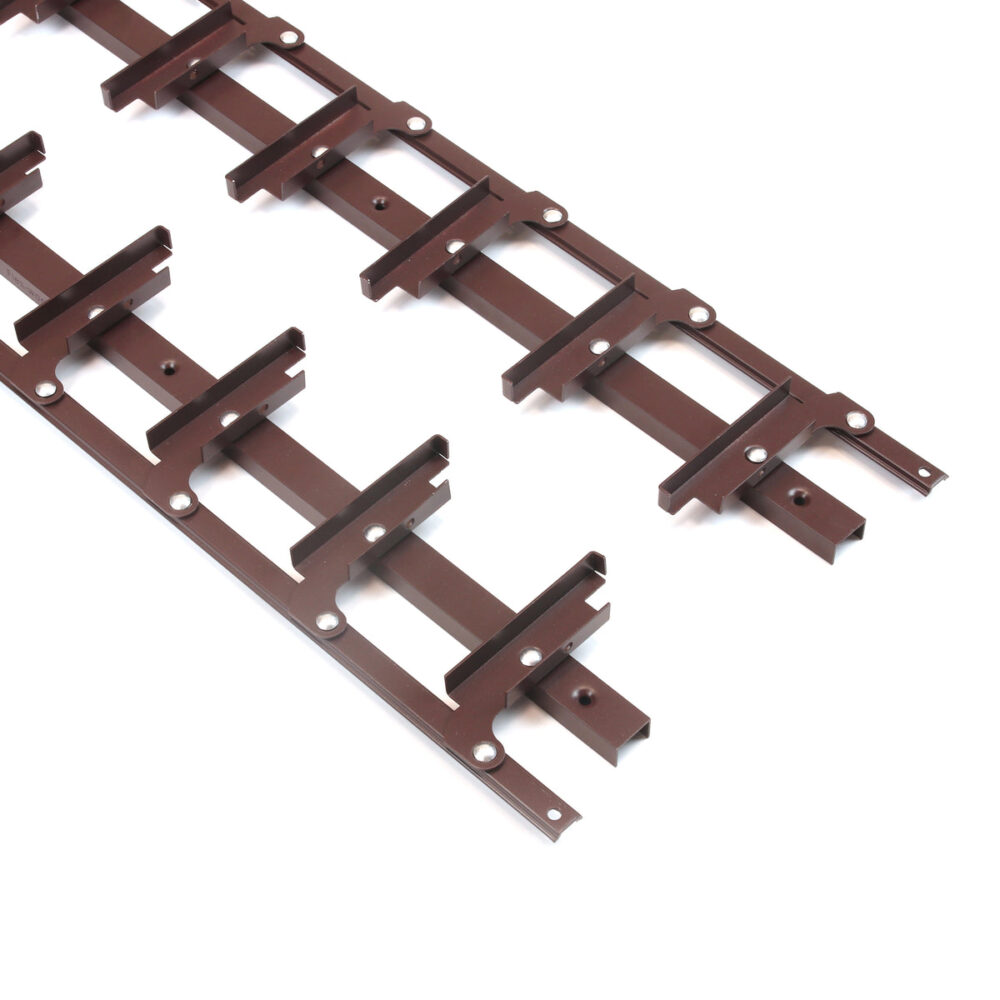 Louvered screen
Privaed FLOW louvered-screen brackets, 1070 mm, RAL 8017 chocolate brown aluminium
74,00 € -
-
-
 Louvered screen
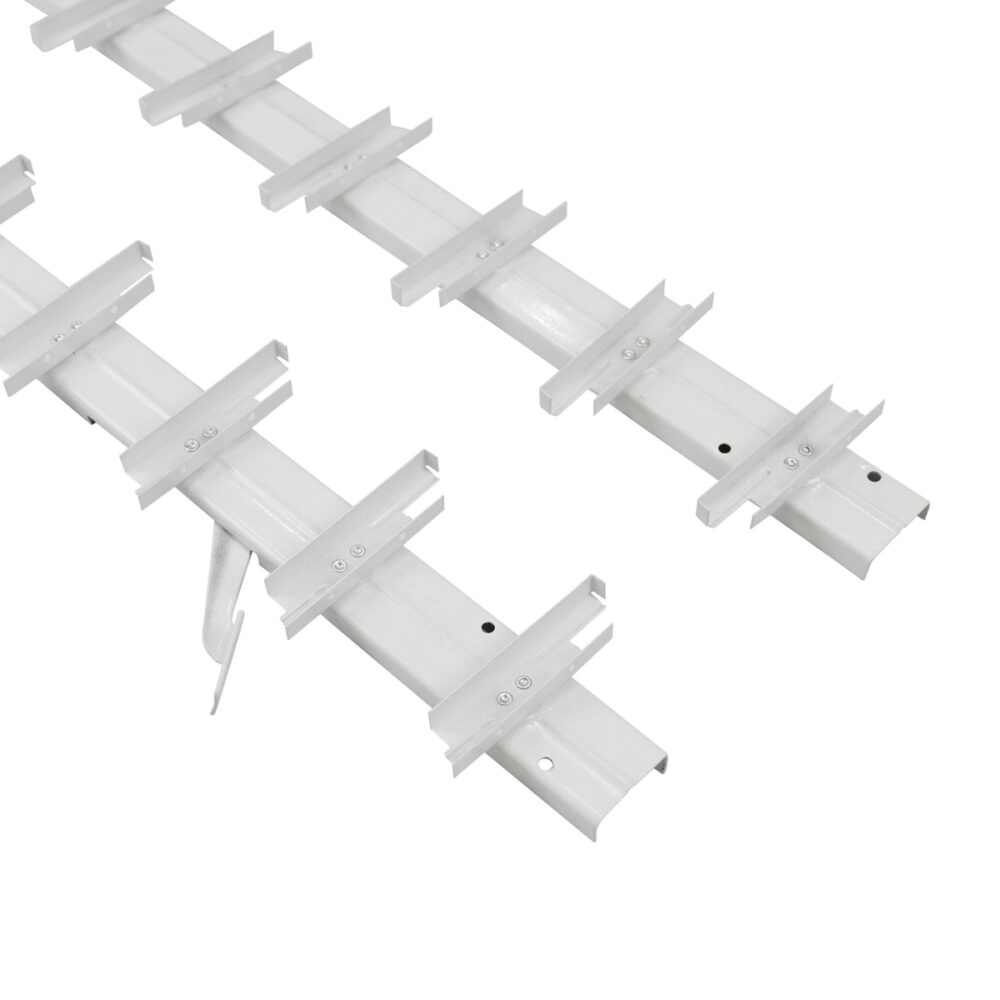
Privaed FLOW Lock louvered-screen brackets, 1070 mm, RAL 9003 white aluminium
79,00 € -
 Louvered screen
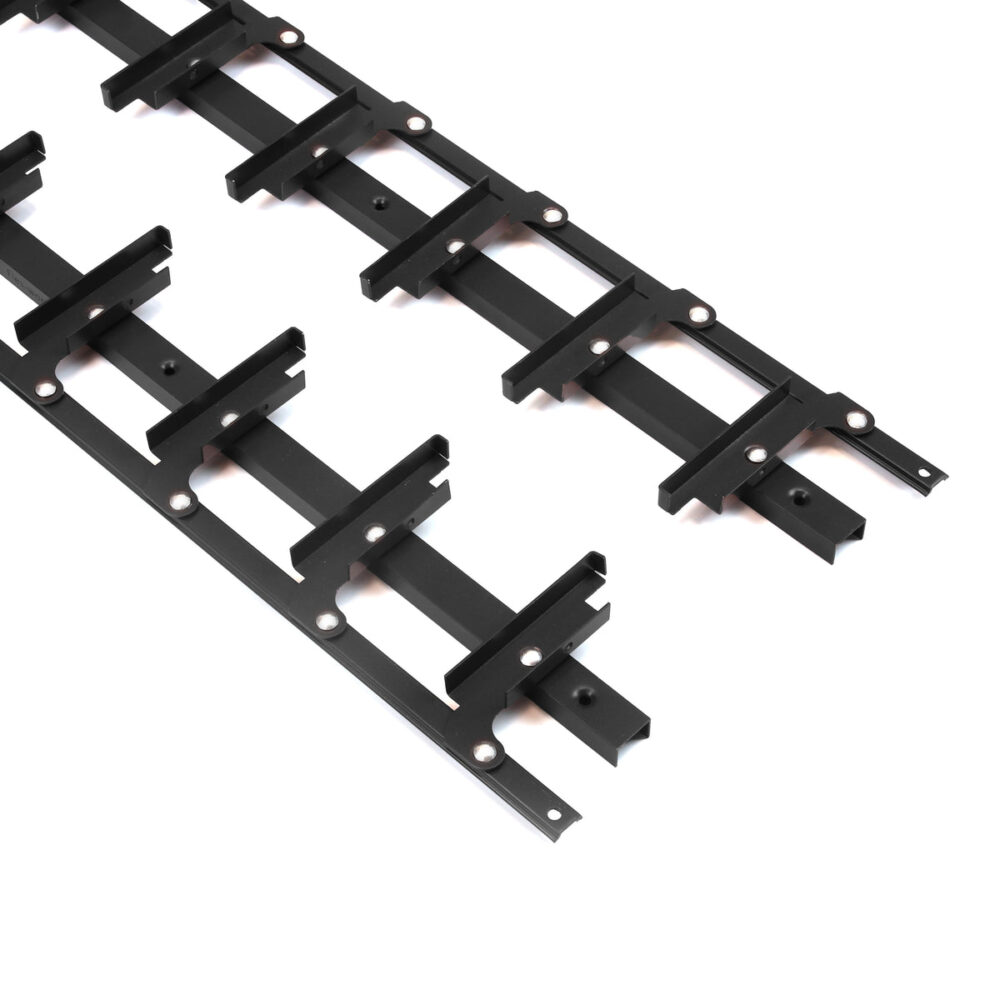
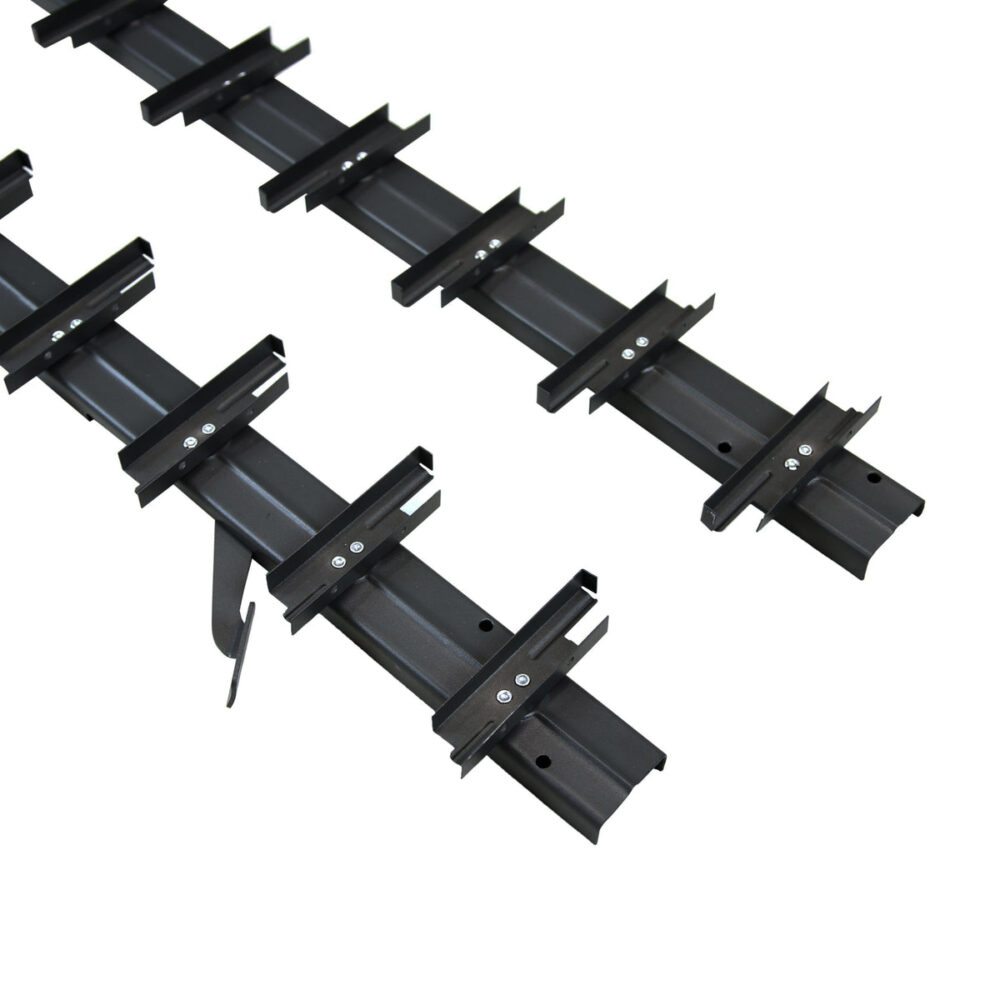
Privaed FLOW Lock louvered-screen brackets, 1070 mm, RAL 9004 black aluminium
79,00 € -
 Louvered screen
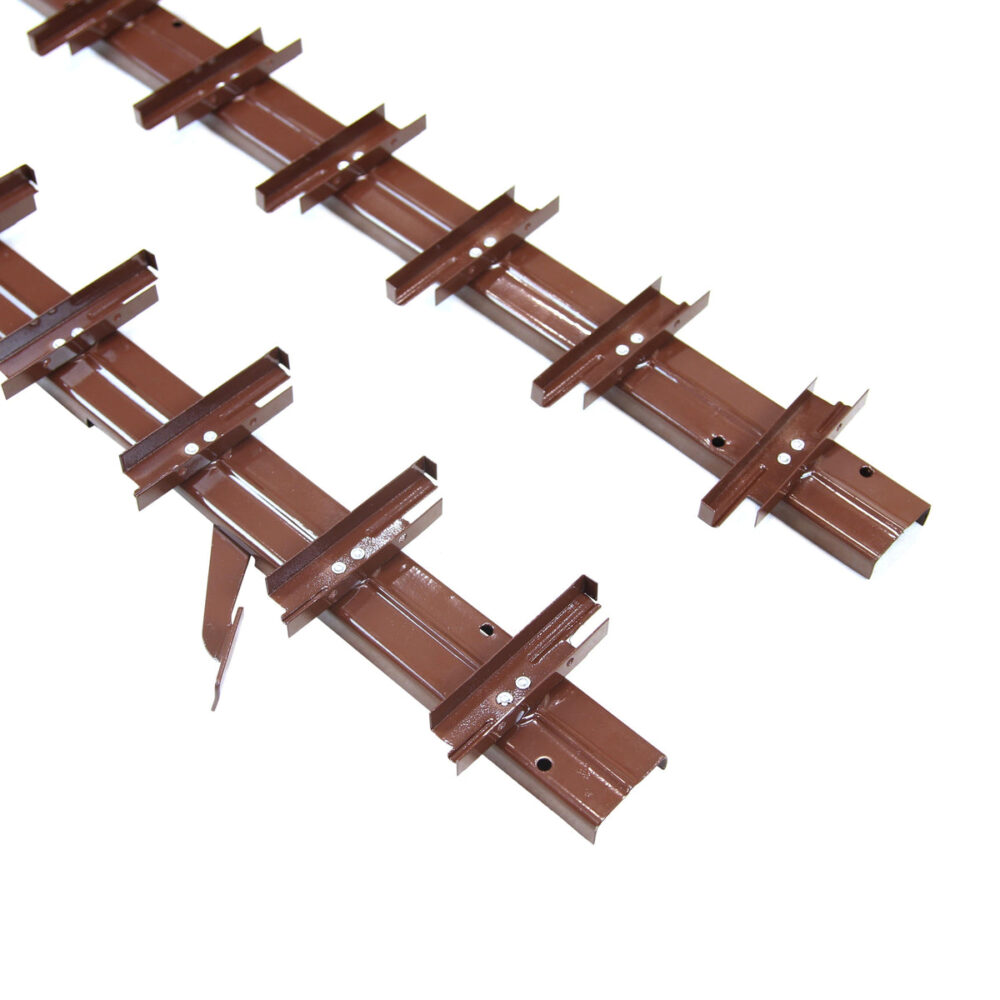
Privaed FLOW Lock louvered-screen brackets, 1070 mm, RAL 8017 chocolate brown aluminium
79,00 € -
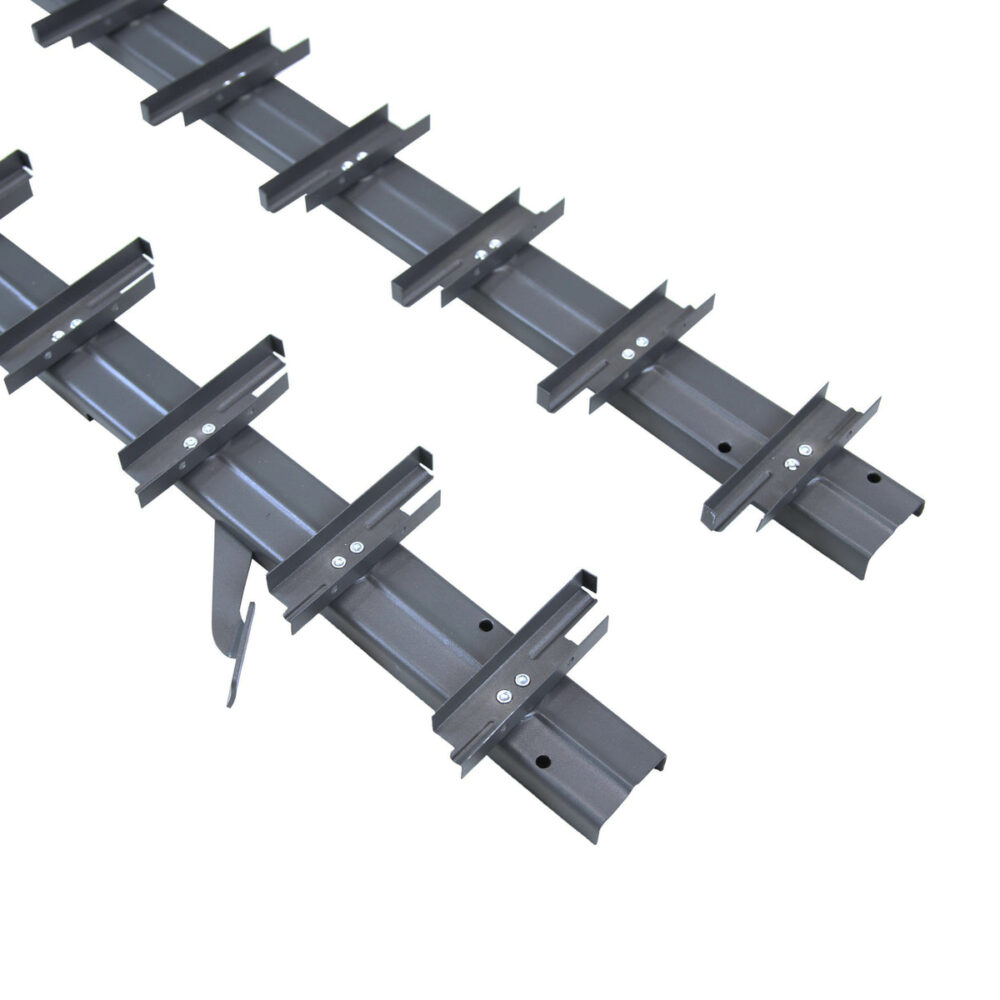 Louvered screen
Privaed FLOW Lock louvered-screen brackets, 1070 mm, RAL 7016 anthracite grey aluminium
79,00 € -
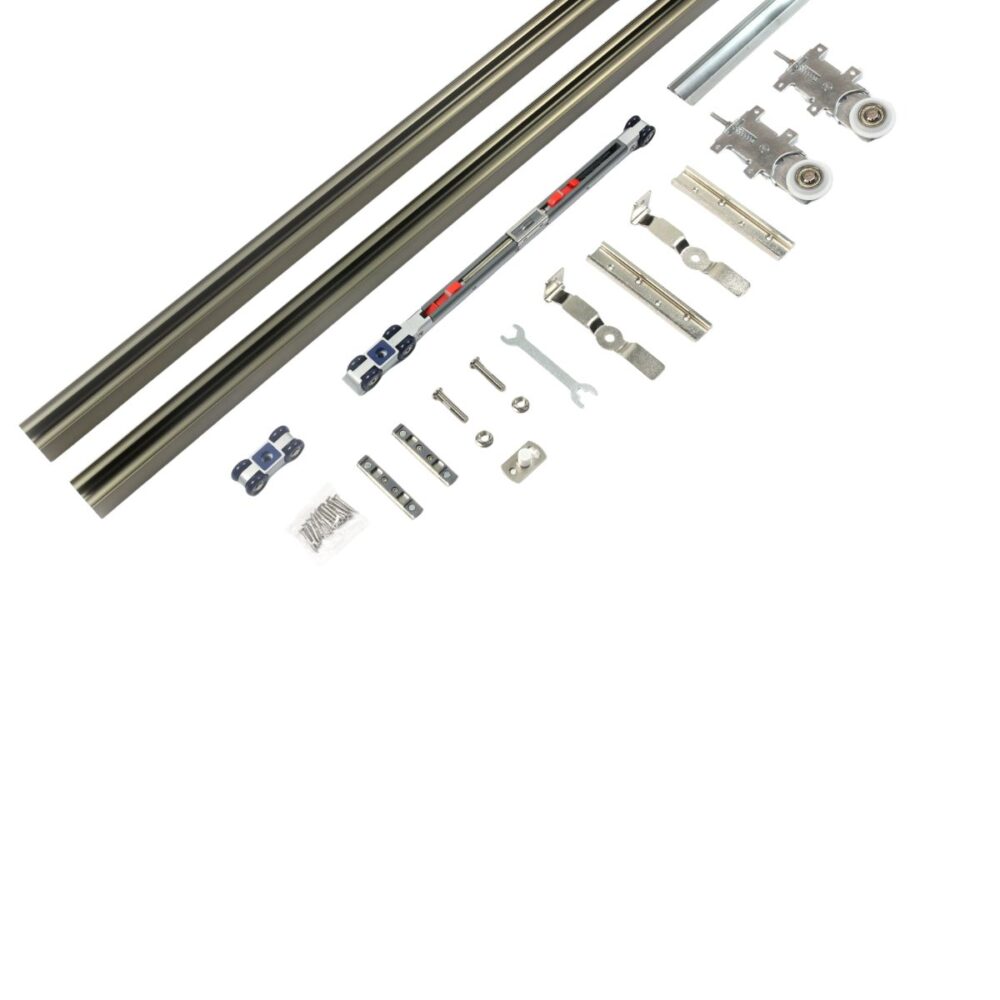
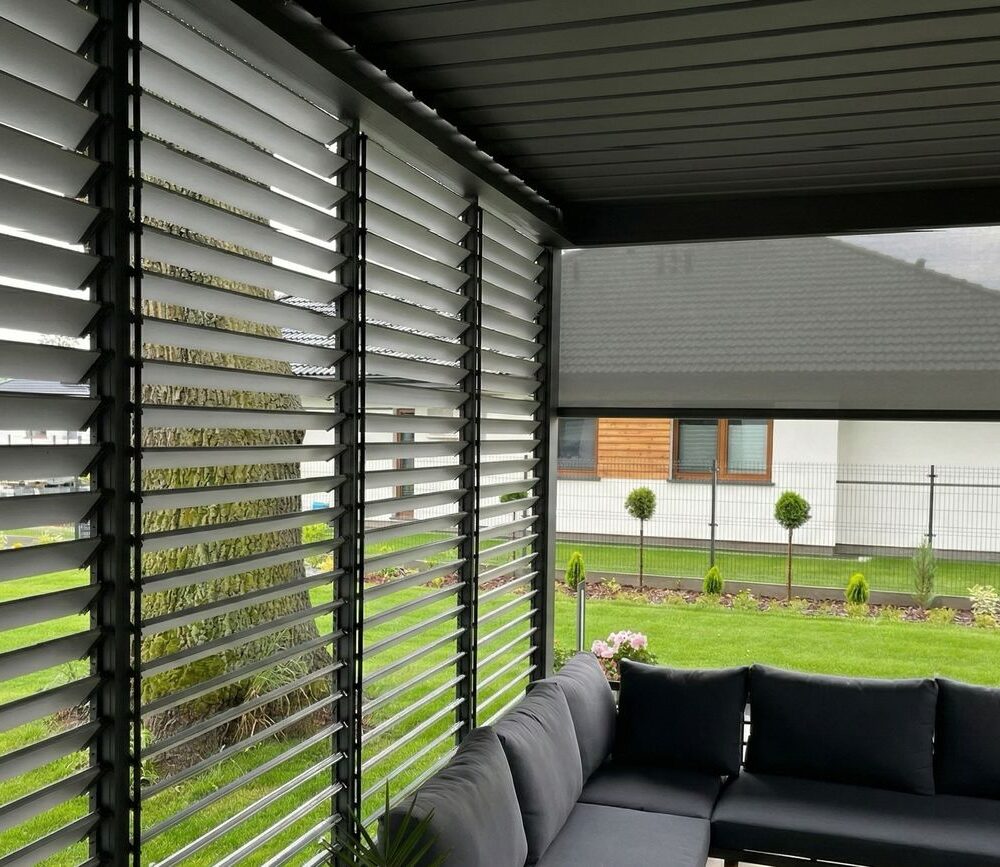
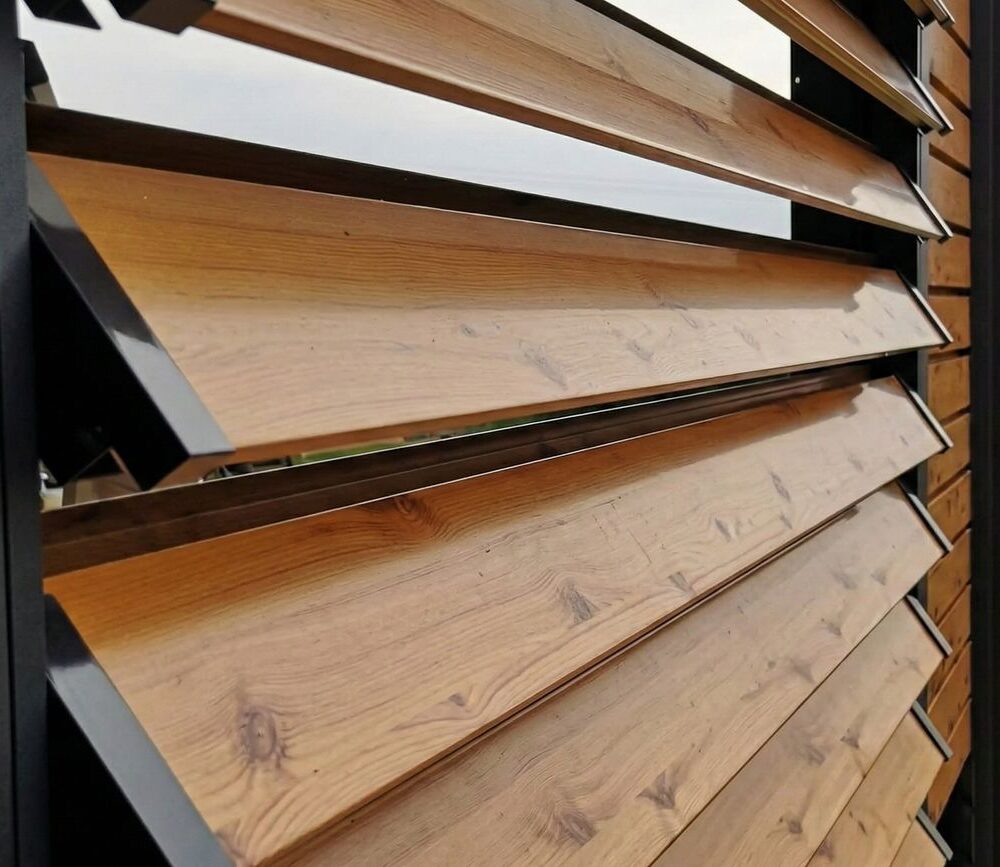
When we talk about upgrading the terrace, the adjustable louvered screen is one of the most popular trends of recent years — and with good reason. Louvered-screen brackets are special rails and clamps fixed to the vertical posts of a terrace or pergola. Wooden slats are mounted between the clamps and can then be opened and closed with a special lever, similar to the Venetian blinds used indoors.
Why is such a dynamic solution so useful for a homeowner? Above all, because it gives you control over your environment. A fixed wooden wall blocks the wind, but it also takes away the light and the airflow. A solution with movable slats gives you flexibility: on a hot summer's day you can open the slats to let the cool breeze blow through, while on a chillier autumn evening you can close them tightly. Practical examples show that adding quality sun protection for the terrace and a windbreak can extend your terrace season in Estonia by as much as two to three months. That is a huge win in our short-summer conditions.
Privacy and wind protection all year round
In addition to managing the weather, louvered screens are indispensable creators of privacy. In detached-house districts or terraced-housing areas, where gardens are close to each other, even a partially open louvered screen helps break the direct line of sight, ensuring you privacy in your garden without having to close yourself completely into a "box".
Smart sun protection for the terrace
A unique perspective: Many people do not know that a traditional strong, solid windbreak can often make the wind problem worse. Architectural studies show that a solid wall forces the wind upwards, creating negative pressure and unpleasant eddies behind the wall (in your seating area). A partially open louvered screen, however, dissipates the force of the wind, "breaking" it into a gentle, comfortable breeze. This makes movable slats a far more effective windbreak than an ordinary plank fence.
Technical overview of adjustable louvered-screen systems and mechanisms
In order for your terrace is to succeed long-term, you need to understand how these mechanisms work and what loads they can bear. Various louvered-screen mechanismsare available on the market, which typically consist of a left-hand and a right-hand guide rail with pivoting "teeth" — the clamps for fixing the wood.
They are usually sold as modules, for example in 50–107 cm lengths, which can be joined end-to-end endlessly to cover the full height of the post (e.g. 2.5 metres). Quality brackets are made from plastic composite or reinforced aluminium. With plastic mechanisms, the presence of a UV stabiliser is critical. Without it, the sun's ultraviolet radiation turns the plastic brittle within a couple of years, inevitably leading to the mechanism breaking. The load-bearing capacity is also impressive: a proper polymer bracket can hold 3–5 kg per clamp, enabling safe use of wooden slats up to 1.2 metres long without sagging.
Louvered-screen mechanisms and their durability
A unique perspective: In the Estonian climate, temperatures swing from –30 °C winter cold to +30 °C summer heat. This temperature play is gruelling on plastic parts. One clever tip that DIYers often ignore: during harsh winter storms and heavy snow loads, it is recommended to leave the Venetian-blind mechanism slightly (about 10–15 degrees) open. If the slats are tightly closed and wet snow freezes between them, the resulting ice can expand and break the mechanism's levers. A slight opening lets the blizzard blow through and avoids excessive pressure build-up.
Material choice: Which wood is best for movable slats?
The mechanisms are only half the equation; the other — and perhaps even more important — half is the wood you place between them. The choice of wood directly dictates whether your weatherproof louvered screen will still work smoothly in five years or jam by the first summer.
The most common choices in terrace construction are deeply impregnated pine, Siberian larch and thermowood. Although larch is known and beautiful for its natural weather resistance, it has one big drawback for this project — weight. Larch is very dense (up to 600 kg/m³) and heavy, placing a large load on plastic pivot mechanisms. On top of that, larch tends to "move" and warp strongly as it dries.
Thermo-treated wood vs. traditional impregnated wood
The absolute winner for movable slats is thermo-treated pine or ash (thermowood). Thermo-treatment removes excess moisture from the wood and changes its cell structure so that the wood loses its ability to absorb moisture and expand. Thermowood is lighter, extremely stable and does not warp. The most common dimension for slats is 20×100 mm or 20×90 mm planed material.
A unique perspective: The biggest mistake beginners make when building a wooden terrace is building a louvered screen from freshly bought, wet, deeply impregnated pine (ordinary green or brown decking). Because this wood is heavy with chemicals and water, it starts drying in direct summer sun. As it dries, wet pine twists into a propeller shape or curves. Just one severely warped slat is enough to jam the closing mechanism for the whole section. If you want to save money and still use pine, you must buy industrially dried (kiln-dried) wood and finish it properly before installation.
DIY guide: Building a wooden louvered screen on a terrace, step by step
Now that the materials are chosen, it's time to get hands-on. Building a pergola and adding a louvered screen is within the reach of any homeowner with basic tools (a cordless drill, spirit level, circular saw and tape measure) and the will to get started. The key to success lies in mathematical precision.
1. Planning and taking the right measurements
Measure the distance between your vertical support posts. Note that the posts must be perfectly plumb and parallel! To calculate the length of the slats, you need to subtract the thickness of the brackets (usually 18–20 mm on each side, so about 36–40 mm in total) from the distance between the posts, and allow for free space. Most manufacturers recommend leaving 2–4 mm of play between the ends of the slat and the base of the mechanism, to avoid friction. So: Slat length = Inner distance between posts – (Bracket thickness × 2) – 4 mm.
2. Installing the brackets and plumbing them
First, fix the left-hand rail. Use a long spirit level (at least 1 m) to confirm it is fully vertical. Then, using a laser or plumb line, transfer the height of the lowest clamp of the first rail onto the second post, so that the right-hand rail runs at exactly the same height to the millimetre. If the rails are offset, the slats will sit crooked and the system will not work.
3. Cutting and fixing the movable slats
Cut the wooden louvered screen for the terrace boards you need to exact size. Place the board in the clamp and secure it with the supplied screws. Each slat is usually fixed with two screws at each end.
A unique perspective: Although manufacturers often include self-drilling screws, pre-drilling the ends of the wood in a small diameter (e.g. with a 2–3 mm bit) is an absolutely mandatory step! Without pre-drilling, a screw simply splits the end of the wood, especially in dry thermowood. A split end gathers rainwater, starts rotting quickly, and the slat soon falls out of the clamp. Those 10 extra minutes spent pre-drilling save you years of headaches.
Maintaining the louvered screen and protecting it from the weather for longevity
Even the highest-quality wood needs care, especially when it is exposed to wind, sun and rain. Maintaining a louvered screen differs slightly from the maintenance of an ordinary terrace floor, because vertical surfaces do not collect as much standing water or dirt, but they receive an enormous amount of UV radiation, which breaks down the lignin in the wood and turns it grey.
Oiling and protecting the wood
The best way to protect the slats is to use a quality pigmented wood oil or stain. The pigment (colour particles) is what protects the wood from UV radiation — a clear oil offers zero sun protection. Maintenance should be done every couple of years: wash the wall clean with a special wood-cleaning product, let it dry, and apply a fresh coat of oil.
A unique perspective: This is the mistake that ruins many expensive louvered screens: never oil or paint the louvered-screen mechanisms or levers! Wood oils are sticky by nature. If you accidentally spray or brush oil onto the plastic rails and moving joints, that oil starts collecting pollen, road dust and dirt. This forms an abrasive paste that makes the mechanism extremely hard to move and begins to wear down the plastic. Cover the mechanisms with masking tape while oiling.
Design ideas and aesthetics for your back garden
An adjustable louvered screen is not only practical; it is also a design element. You can choose the direction and rhythm in which you shape your space.
Vertical vs. horizontal layouts
Although louvered-screen brackets are fitted in 90% of cases so that the wooden slats are horizontal, many mechanisms also allow vertical installation (when the rails are fixed to an upper beam and a lower rail). A horizontal layout makes a narrow space visually wider and offers the best protection against the high midday sun. A vertical layout, on the other hand, gives the building a modern, aspiring look and is excellent for blocking the low evening sun (from the west). Combine different directions on your terrace, or create separate sections, some fixed and some adjustable, to create a dynamic and luxurious atmosphere.
Quick summaries
-
Flexibility in any weather: Adjustable louvered-screen brackets allow the terrace to be closed or opened according to the wind and the sun.
-
Dissipates the wind: Unlike a solid wall, movable slats break up the airflow and prevent unpleasant eddies from forming in the seating area.
-
Choose the right wood: Prefer thermowood, because it is light, does not move with moisture and does not warp — warped wood jams the mechanisms.
-
Precision is the keyword in DIY: Plumb the rails to the millimetre and always pre-drill holes in wooden slats to prevent the ends of the boards splitting.
-
Smart maintenance: Oil only the wood, not the mechanisms! Sticky plastic parts collect dirt and ruin the smoothness of the system.
Frequently Asked Questions (FAQ)
1. How long can the wooden slats I use with louvered-screen brackets be? Most manufacturers recommend a maximum wooden-slat length of 100 to 120 cm. With longer boards, the weight of the wood itself becomes too great, so they start to sag in the middle and place too much load on the clamp sockets and the mechanism, which can lead to system failure.
2. Do plastic louvered-screen mechanisms withstand the Estonian cold winter? Yes, if you choose quality products. Look in the specifications for the term "UV-stabilised". These materials cope with Estonian sub-zero temperatures. Cheap, unstabilised plastic copies, on the other hand, can turn brittle at the first frost.
3. Can I install louvered-screen brackets on an already finished terrace? Absolutely. The brackets are screwed directly onto the inner faces of the existing support posts. You only need to make sure that the spacing between the posts is wide enough and that the vertical posts are properly plumb.
4. What cross-section of wood should I use to build a wooden louvered screen? The most optimal and most-used dimension is 20×95 mm planed boarding. It fits perfectly into the grooves of most standard brackets and provides sufficient coverage without overloading the mechanism.
5. Does the adjustable mechanism need special maintenance or oiling? No, quite the opposite! Liquid wood oils or greases getting into a plastic mechanism ruin it by collecting dust and dirt. Maintenance of the mechanisms is limited to keeping them clean (removing dust or washing with a pressure washer at low pressure). If lubrication is needed, use a universal lubricant such as WD-40.