


slat profiles
-
-
-
-
-
 slat profiles
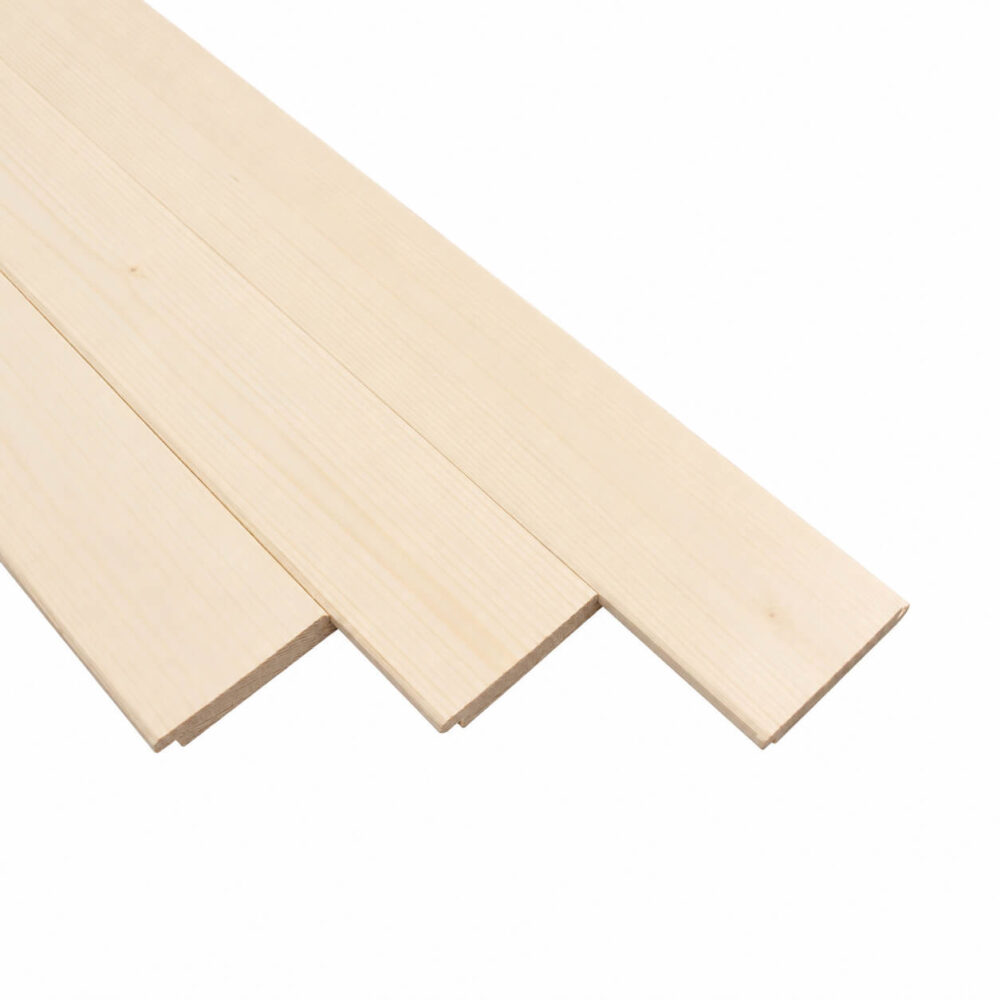
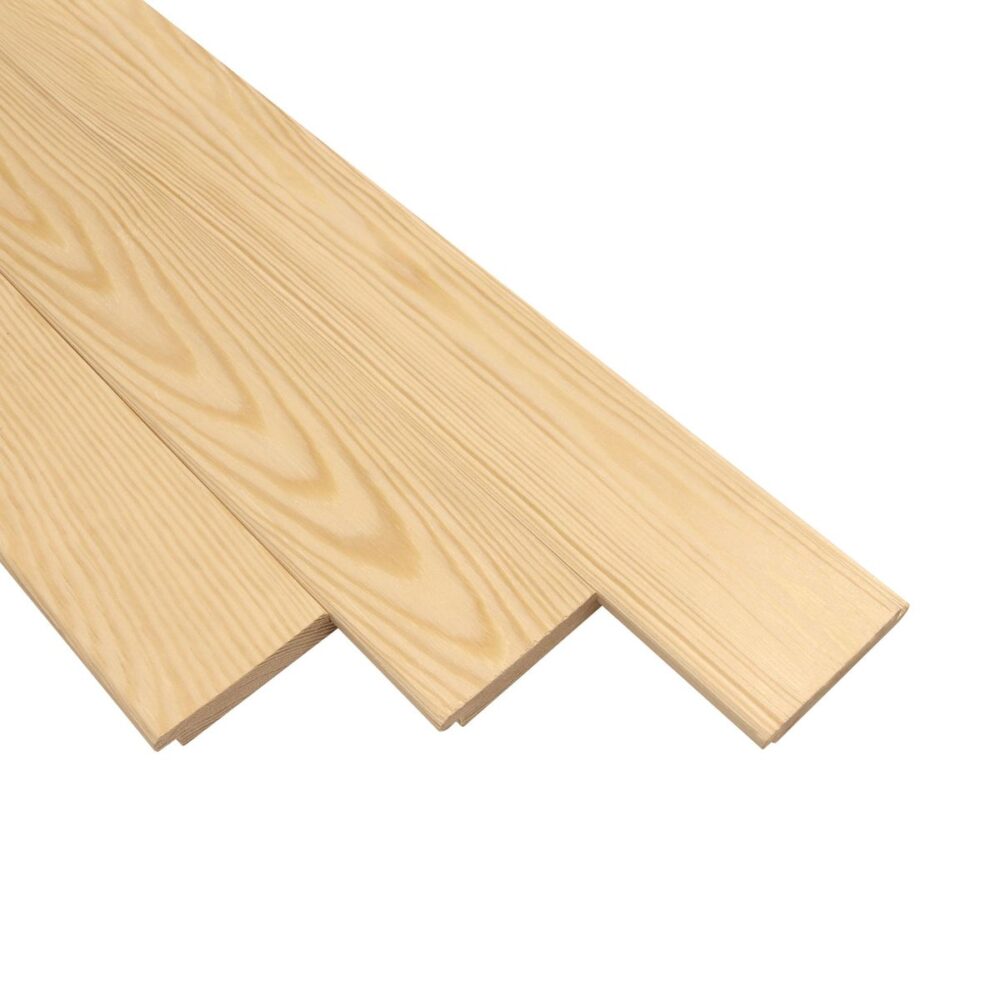
FLOW louvered-screen slat profile, UYS 20×95×1000 mm, natural AB knot-free pine
4,80 € -
slat profiles
FLOW louvered-screen slat profile, UYS 20×95×1200 mm, natural AB knot-free pine
5,75 € -
-
slat profiles
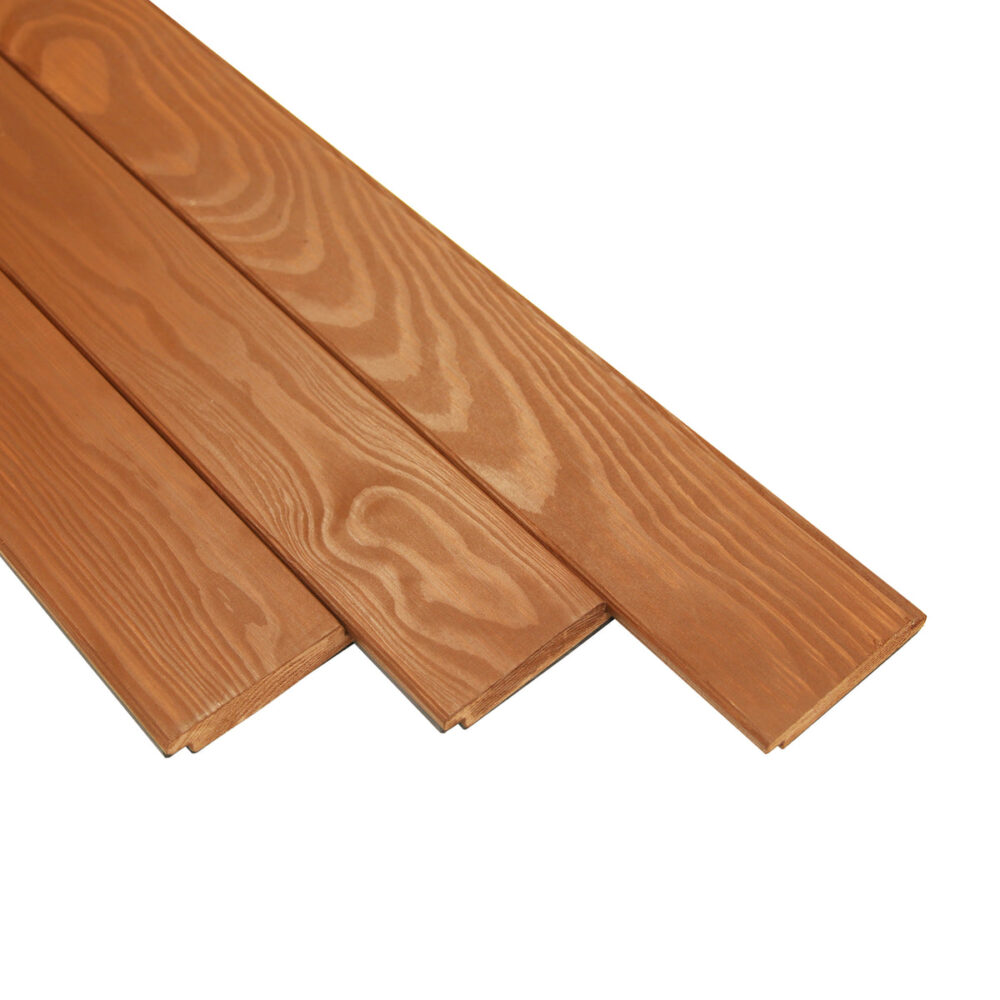
FLOW Core louvered-screen slat profile, UYS 19×108×1400 mm, thermo-treated pine
8,41 € -
slat profiles
FLOW Core louvered-screen slat profile, UYS 19×108×1800 mm, thermo-treated pine
10,80 € -
-
-
Summer evenings in the home garden are priceless, but often an idyll is ruined by a sudden gust of wind, the overly sharp evening sun or the neighbours' curious glances. A classic closed wooden wall can turn a terrace into a dark, airless box, while a completely open solution offers no protection at all. This is where adjustable "Deck Blind" systems come in, with quality slat profilesat their heart. These are clever, movable panels — the "slats" — that let you change your terrace's openness and privacy with a single movement of the hand.
As a homeowner, however, you face an important choice: which material should the profiles be made of? Does traditional wood offer the best cosiness, or is maintenance-free aluminium the wiser investment in the long run? In this in-depth guide, we dive into the world of terrace screening. We clear up the pros and cons of different materials, discuss profile shapes, and give practical advice on how to match the new slat profiles perfectly Louvered-screen brackets with the system. Read on and learn how to create the perfect, weatherproof and stylish Louvered screenthat raises the value of your home!
Why are the right slat profiles indispensable on a terrace?
Every terrace or pergola is unique, and its functionality depends on the details. An adjustable terrace wall (internationally known as the Deck Blind System) does not consist merely of plastic or metal frames; its visual and practical essence is created by the slat profiles.
Functionality meets design
Imagine a wall that breathes with you. When the summer day is hot and stifling, you turn the profiles to the horizontal position. This blocks the direct, scorching sunlight, creating pleasant shade, while at the same time letting fresh air flow freely through the wall. It is like a natural air conditioner. If a cool wind rises in the evening, however, you close the slats fully, turning an open gazebo into a warm, windless room.
Correctly chosen slat profiles dictate the aesthetics of the whole garden. They can be modern and minimalist, fitting perfectly with the facades of new builds, or warm and down-to-earth, complementing a classic wooden house. Their material and finish determine whether your privacy-wall build results in a luxurious outdoor oasis or simply an ordinary windbreak.
How does the "Deck Blind" system work?
To understand the importance of the profiles, we have to look at the system as a whole. Louvered-screen brackets are rails fixed to the posts with pivoting sockets. One long profile is pushed into each socket. Because all the sockets are connected to each other by a control bar, it takes just moving one profile to open or close the entire wall in sync. That is precisely why it is critical that the chosen slat profiles are absolutely straight and do not warp over time under the influence of weight or moisture — otherwise the mechanism simply jams.
Which material to choose: Aluminium, Wood or Composite?
Once you have chosen the brackets, it is time to make the most critical decision — the material. Every material has its own unique properties, price bracket and maintenance needs. Let us go over the three most common choices.
Wooden slat profiles – Natural beauty and its cost
Wood is the undisputed favourite of Estonians. Wooden terrace slats bring warmth and harmony with nature into the outdoor interior. Most commonly used are impregnated pine, spruce or the more exclusive thermowood and Siberian larch. Pros: Wood is more affordable (especially pine), easy to work with and offers an irreplaceable natural texture. Thermowood is, in addition, very light and stable. Cons: Wood is a "living" material. It reacts to air humidity and temperature, expanding in autumn and shrinking in summer. As a homeowner you have to accept that wood needs regular care (oiling or painting). If a wooden board warps as it dries, your movable wall may no longer close properly.
Aluminium slat profiles – Maintenance-free and lifelong
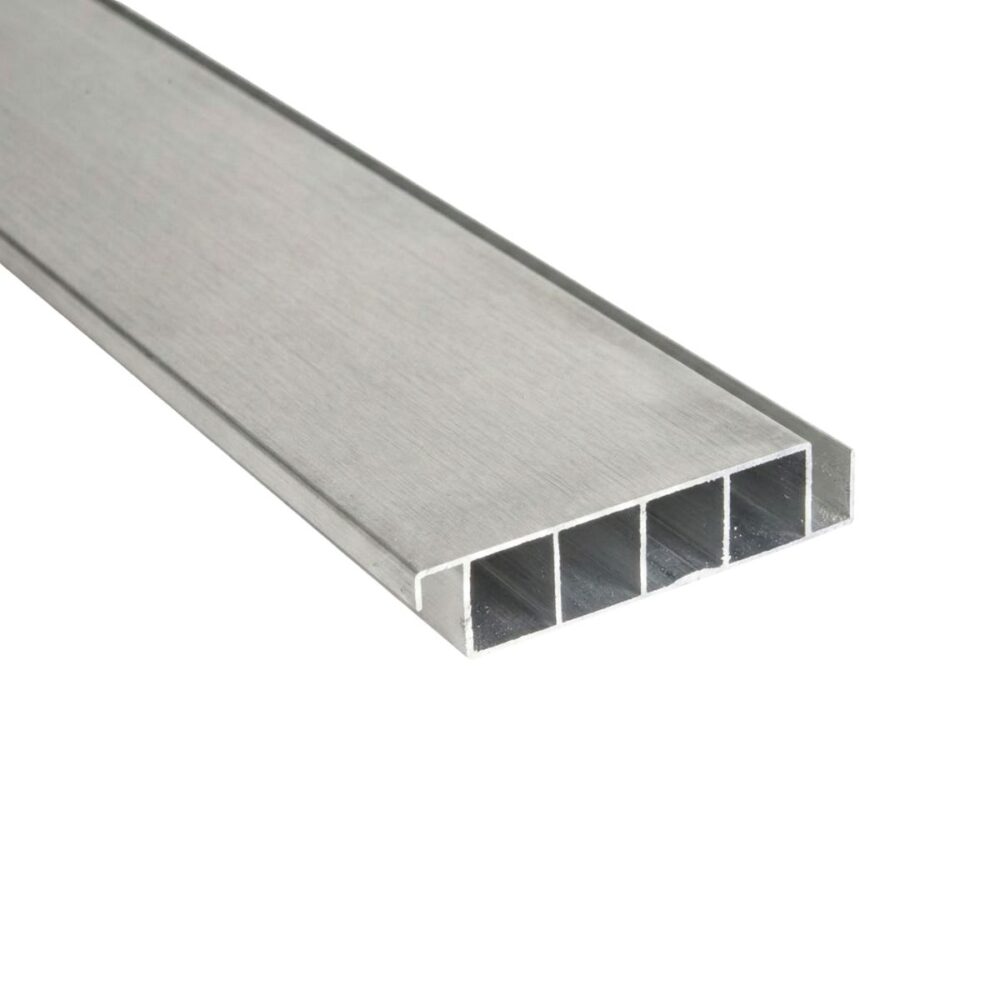
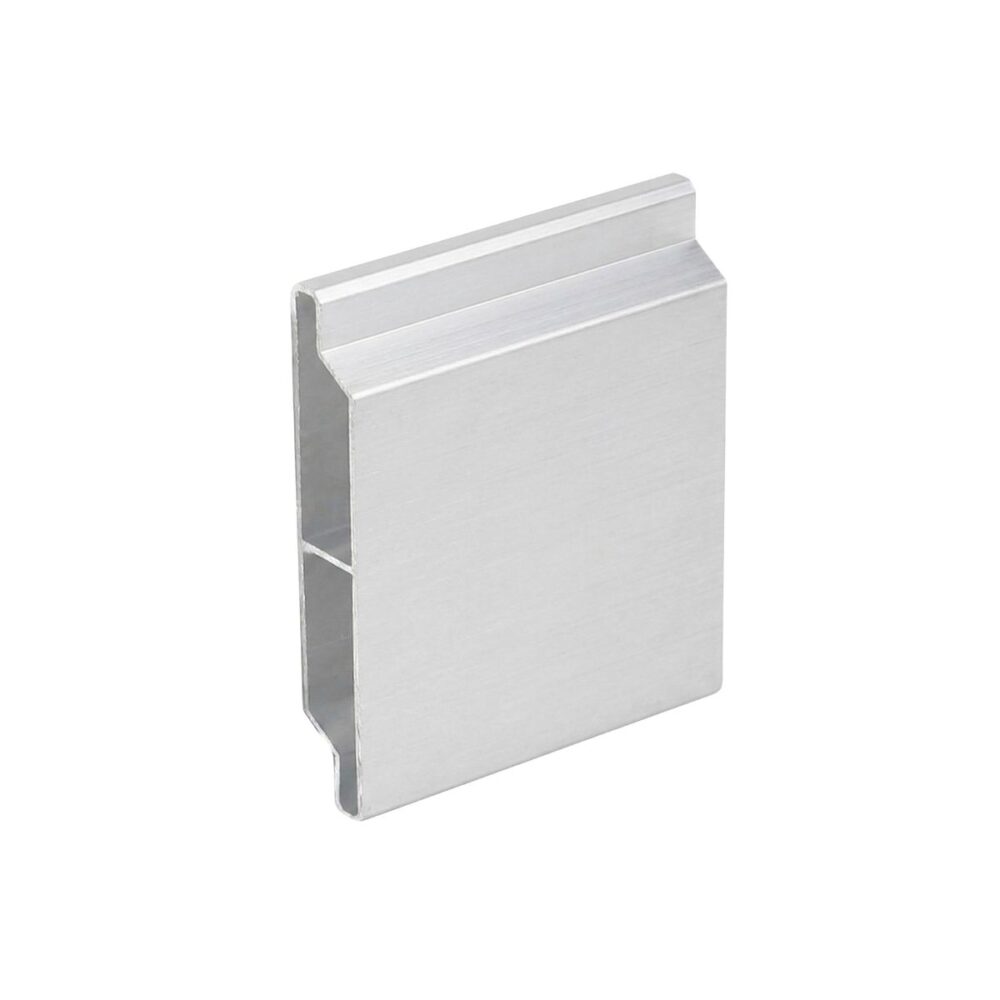
If you are looking for a solution you install and forget, aluminium slat profiles are made for you. These metal battens are designed to last for generations. Pros: Aluminium is a 100% maintenance-free louvered screen. It does not rot, does not rust and never deforms in the sun. Thanks to its exceptional rigidity, aluminium is also very light, which does not burden the bracket mechanism and makes opening the wall easy. Because the profile is perfectly straight, you can leave longer distances (spans) between the posts without the slat sagging in the middle. Cons: The initial investment is higher than with wood. Bare metal can also feel too cold and "office-like" for some tastes.
The triumph of wood-effect aluminium
A unique solution: If you want the warmth of wood but cannot be bothered to oil it every couple of years, the solution is wood-effect aluminium! Thanks to modern powder-coating and lamination technologies, it is possible to produce aluminium profiles that look exactly like oak, walnut or ash. You get the visual cosiness combined with the unbreakable strength of metal.
Wood-Plastic Composite (WPC) – A golden middle way?
WPC (Wood Plastic Composite) is a mixture of wood flour and polymers. Pros: No oiling or painting needed, holds up well against moisture, and often looks very similar to natural wood. Cons: Wood-plastic composite slats are very heavy. Their weight puts a significant load on the plastic sockets of the brackets. Even more importantly — in hot summer sun, WPC often becomes slightly soft and tends to bend under its own weight (the so-called "spaghetti effect"). When using WPC, the post spacing must be significantly shorter (max. 80–100 cm) to prevent sagging.
Shapes and aerodynamics of slat profiles
In addition to the material, the cross-section shape of the profile also matters. This is not just a visual preference — it plays a big role in how your brand-new Louvered screen copes with the weather.
Rectangular vs. streamlined profiles
The most common wooden boards you can buy in a shop have a simple rectangular cross-section (sometimes with slightly rounded edges). They fit most standard louvered-screen brackets and are visually familiar and safe.
Installation and compatibility with louvered-screen brackets
However expensive and high-quality a profile you buy, its success depends on correct installation. DIY terrace building is popular but requires strict attention to certain details.
Accurate dimensions and thermal expansion
The most critical step when terrace screening building is cutting the profiles to size. Measure the distance between the posts and subtract the thickness of the brackets. This is where the physics of materials comes into play:
-
Wood and WPC: For these materials you must leave at the ends of the profile expansion room (usually 2–4 mm). If you cut a wooden board exactly from socket to socket, then in autumn, as it absorbs moisture, it expands, jams in the bracket sockets, and the system can no longer be moved. In the worst case, the expanding wood breaks the plastic brackets.
-
Aluminium: The lengthwise thermal expansion of aluminium is minimal. Nevertheless, it is recommended to leave a few millimetres of installation tolerance so that the profiles slide freely into the sockets without obstacles.
Choice of fixings
To fix the profiles louvered-screen brackets screws are used. Stainless-steel wood screws are suitable for wood and WPC. Aluminium slat profiles , however, require special self-drilling screws equipped with a metal bit (sheet-metal screws). Always make sure the screw is long enough to go through the bracket socket and the wall of the profile, but not so long that it comes out the other side of the profile with an ugly end.
Maintenance and longevity of slat profiles
To make sure your adjustable terrace wall is to still look like new in five years, it needs to be maintained according to the specifics of the material.
Regular oiling of the wood
If you chose natural wood, maintenance is an annual duty. The wood must be protected from UV radiation and moisture with special terrace oils or stains. The most tedious thing is that, because the profiles are installed in the brackets, access to their ends is difficult. As a homeowner, you should impregnate and oil all wooden profiles (especially the sawn ends) before installing them in the brackets!
Easy cleaning of aluminium and composite
If your choice was weatherproof profiles in aluminium or composite, your life is many times easier. Aluminium only needs a spring and autumn wash. Use a soft microfibre cloth, lukewarm water and a neutral detergent (for example car shampoo). Never use abrasive sponges or harsh acidic/alkaline chemicals, as they can damage the powder coating or the wood-effect layer. You may apply a little dry silicone spray between the moving parts of the system (the brackets) to ensure their silky-smooth movement.
Quick Takeaways
-
Dynamic protection: Adjustable slat profiles let you control sunlight, wind and privacy with a single movement of the hand.
-
Aluminium is king: Maintenance-free, light and rigid aluminium is the best investment for movable systems in the long run, avoiding sagging.
-
Wood is cosy, but needs care: If you choose wood, impregnate and oil all surfaces and ends before installation.
-
Leave room for expansion: When cutting wood and WPC profiles, always leave 2–4 mm of tolerance to prevent the system from jamming in damp conditions.
Frequently asked questions (FAQ)
1. Can I use ordinary decking boards as slat profiles? Yes, you can. The most common wooden slat profiles are sized 20×95 mm or 19×108 mm (depending on the bracket system). It is important, however, to choose straight boards and to definitely leave room for expansion during installation, as wood moves with moisture.
2. Why prefer aluminium to wood-plastic composite (WPC)? Aluminium is significantly lighter and more rigid. WPC is very heavy and tends, in hot summer weather, to bend under its own weight as it warms up, overloading the bracket mechanisms and spoiling the visual straightness of the wall. Aluminium is 100% rigid and maintenance-free.
3. What is the maximum length of one profile, i.e. the distance between posts? For wood and WPC, the recommended maximum span (distance between posts) is 100–120 cm. For quality aluminium slat profiles , this distance can be longer (up to 150 cm) without the profile sagging in the middle. Always follow the bracket manufacturer's recommendations.